An exceptional and rare Paolo Buffa, Italy, circa 1950 mahogany cabinet with molded front panel, rectangular top and dentil carved moldings. (A pair available; the other a drop-down desk or secretary). The dry-bar cabinet with six molded panels on the exterior. The upper section drops down to reveal an interior fitted with mirrored glass covering the work surface, sides and back. The lower section with two doors, the one on the left opens to reveal three pull-out drawers and storage below and the door on the right opens to storage. The whole supported on graceful tapered legs ending in brass sabot. Stunning proportions and incredibly hand-crafted with superb craftsmanship, details and classical styling, the attributes Buffa was most known for. One key for the exterior, interior light on the upper section.
By Paolo Buffa, Italy, circa 1950
Size: 46" high x 40 3/4" wide x 15 3/4" deep x 31" high at drop-down surface
Paolo Buffa (b. 1903, Milan – d. 1970) was a highly sought after Italian furniture designer, renowned for executing designs pairing elements of the opulent Neoclassical period with streamlined Art Deco style, resulting in pieces that exhibited a glamorous, old-world, yet modern aesthetic.
Buffa trained at the Politecnico di Milano, graduating in 1927. Upon graduation, he briefly worked for Gio Ponti before partnering with architect Antonio Cassi Ramelli (1905-1980) in 1928 to establish their own design studio in Milan. Buffa and Cassi Ramelli made numerous furniture designs inspired by Classicism, including a dining room, showcased at the Triennale di Milano exhibition of 1930, and others showcased during the 1933 and 1936 Triennale di Milano.
In 1936, Paolo opened his own independent studio where he was successful in presenting traditional Neoclassical motifs and materials; for example, using rich rosewood or supple velvet fabrics with the newer forms and themes of a lighter Art Deco style. His designs were particularly attractive to the upper classes who wished to display their understanding of contemporary design trends while maintaining old-world flair.
An exceptional and rare Paolo Buffa, Italy, circa 1950 mahogany cabinet with molded front panel, rectangular top and dentil carved moldings. (A pair available; the other a drop-down desk or secretary). The dry-bar cabinet with six molded panels on the exterior. The upper section drops down to reveal an interior fitted with mirrored glass covering the work surface, sides and back. The lower section with two doors, the one on the left opens to reveal three pull-out drawers and storage below and the door on the right opens to storage. The whole supported on graceful tapered legs ending in brass sabot. Stunning proportions and incredibly hand-crafted with superb craftsmanship, details and classical styling, the attributes Buffa was most known for. One key for the exterior, interior light on the upper section.
By Paolo Buffa, Italy, circa 1950
Size: 46" high x 40 3/4" wide x 15 3/4" deep x 31" high at drop-down surface
Paolo Buffa (b. 1903, Milan – d. 1970) was a highly sought after Italian furniture designer, renowned for executing designs pairing elements of the opulent Neoclassical period with streamlined Art Deco style, resulting in pieces that exhibited a glamorous, old-world, yet modern aesthetic.
Buffa trained at the Politecnico di Milano, graduating in 1927. Upon graduation, he briefly worked for Gio Ponti before partnering with architect Antonio Cassi Ramelli (1905-1980) in 1928 to establish their own design studio in Milan. Buffa and Cassi Ramelli made numerous furniture designs inspired by Classicism, including a dining room, showcased at the Triennale di Milano exhibition of 1930, and others showcased during the 1933 and 1936 Triennale di Milano.
In 1936, Paolo opened his own independent studio where he was successful in presenting traditional Neoclassical motifs and materials; for example, using rich rosewood or supple velvet fabrics with the newer forms and themes of a lighter Art Deco style. His designs were particularly attractive to the upper classes who wished to display their understanding of contemporary design trends while maintaining old-world flair.

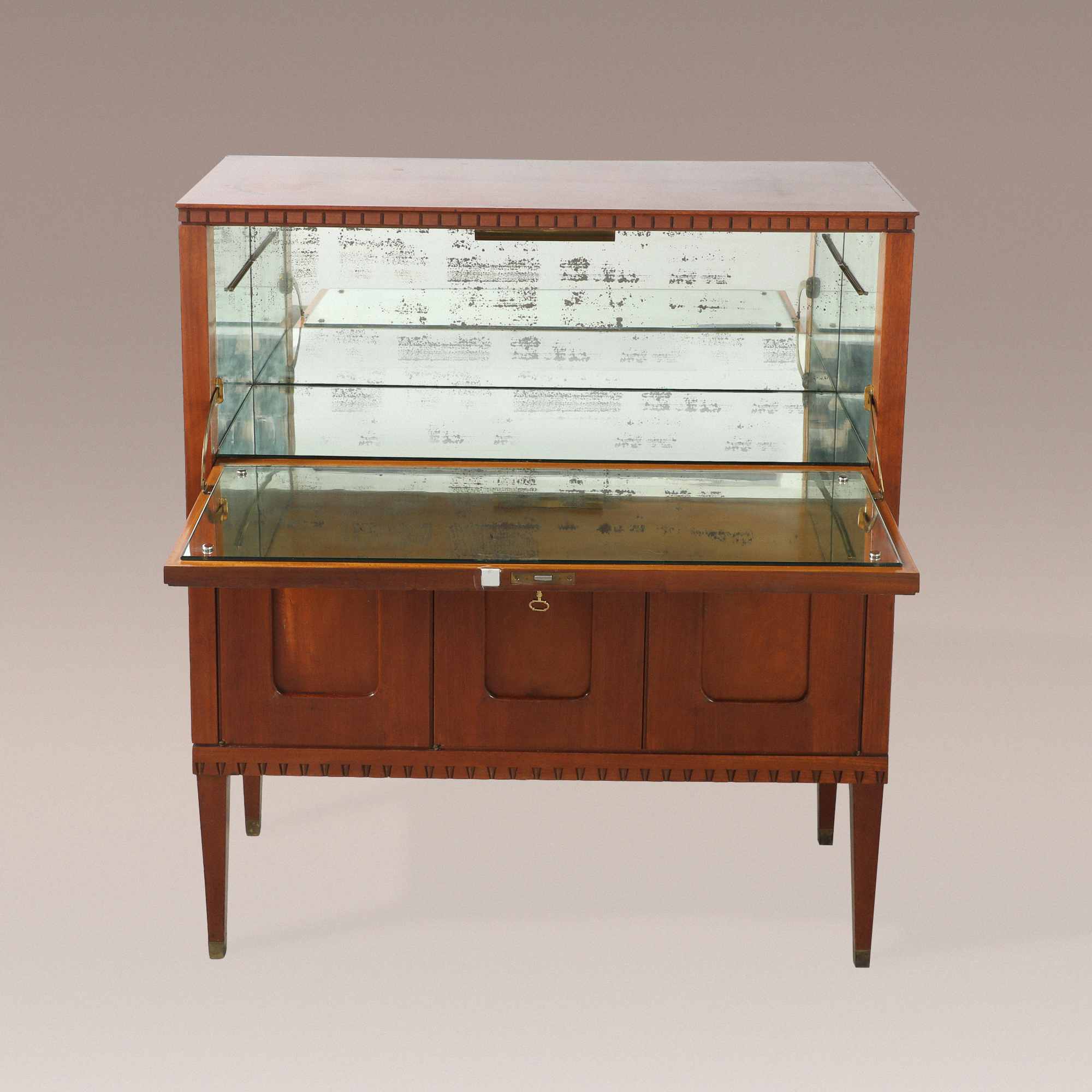 Image 1 of 15
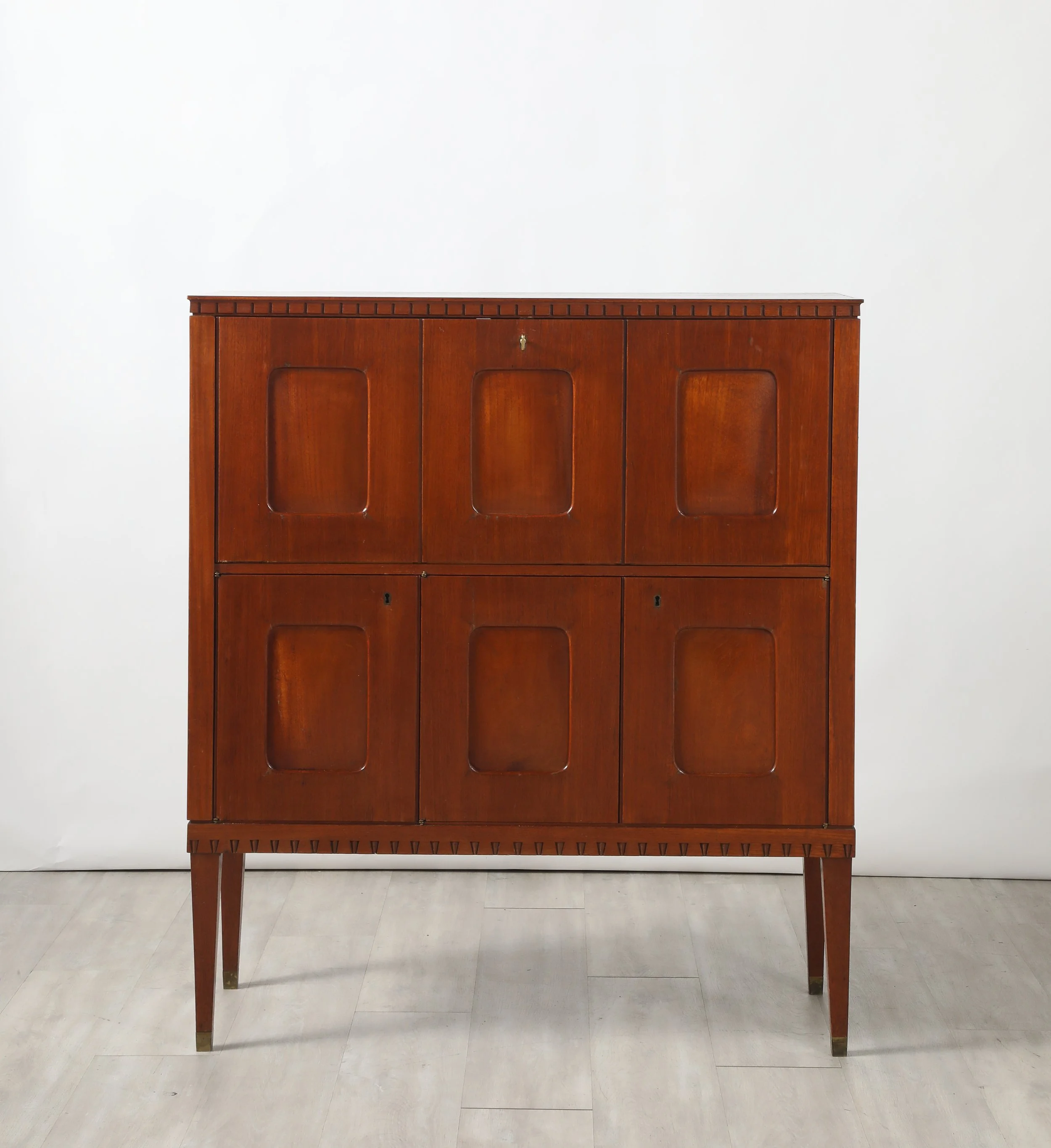 Image 2 of 15
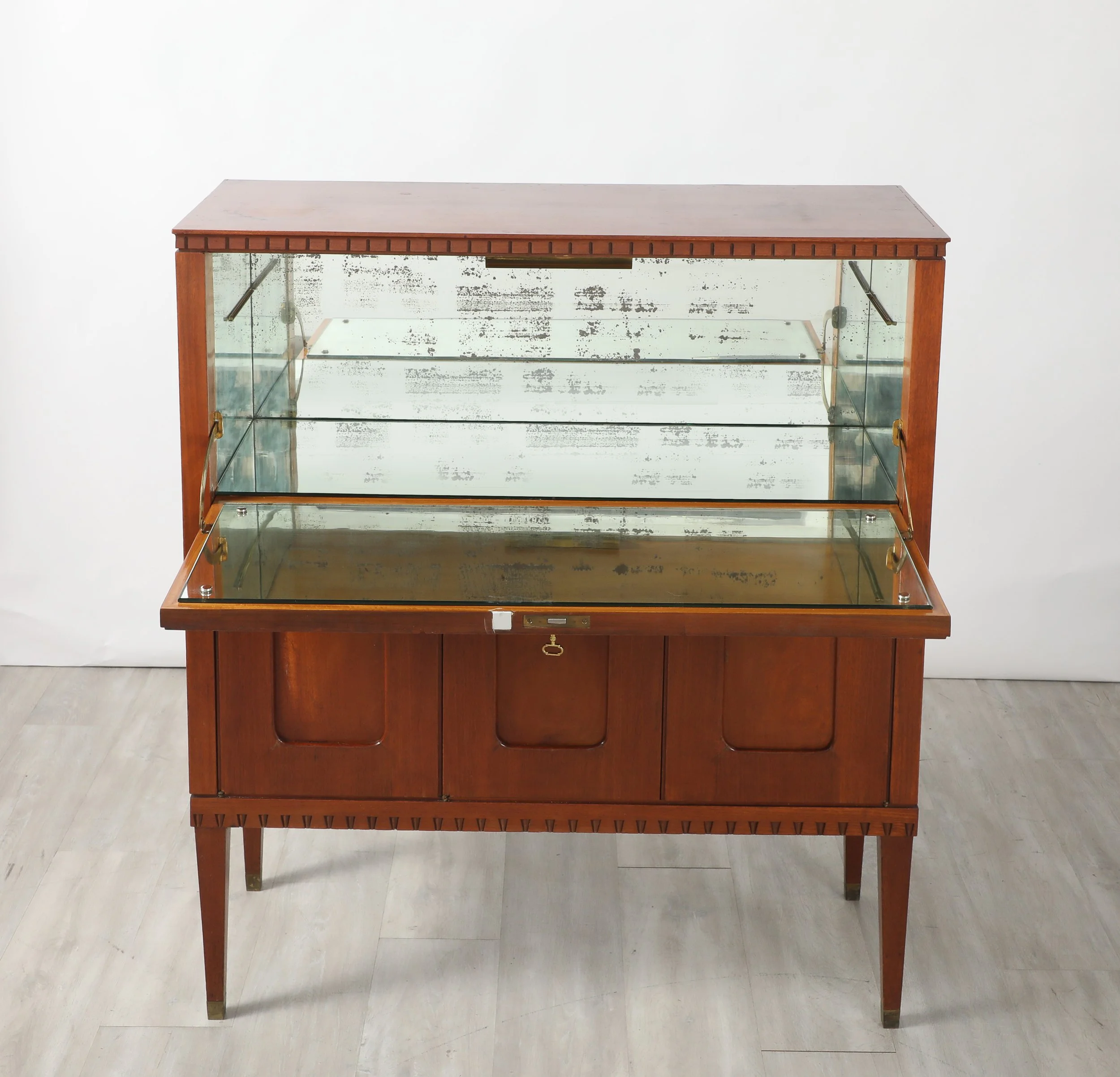 Image 3 of 15
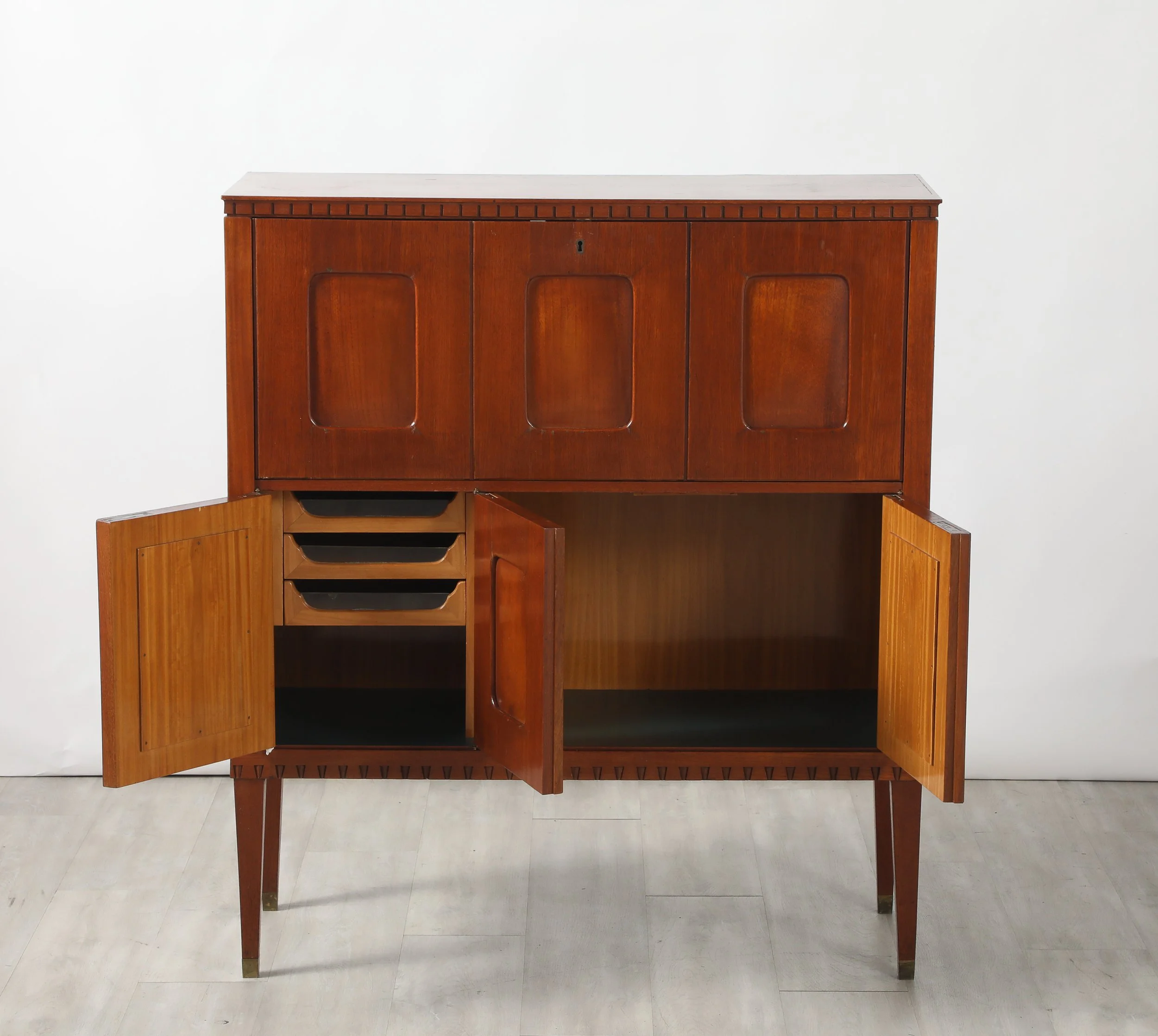 Image 4 of 15
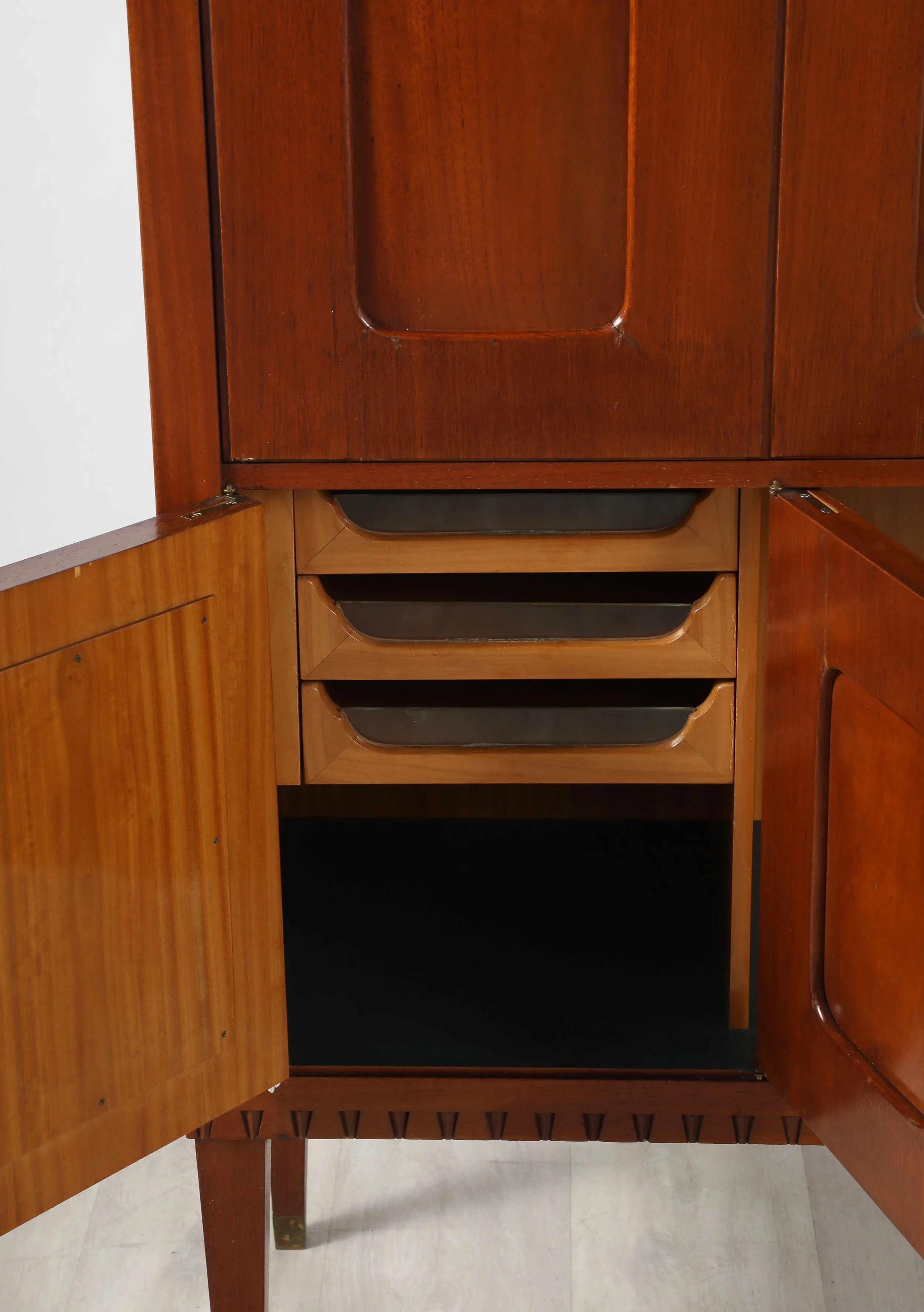 Image 5 of 15
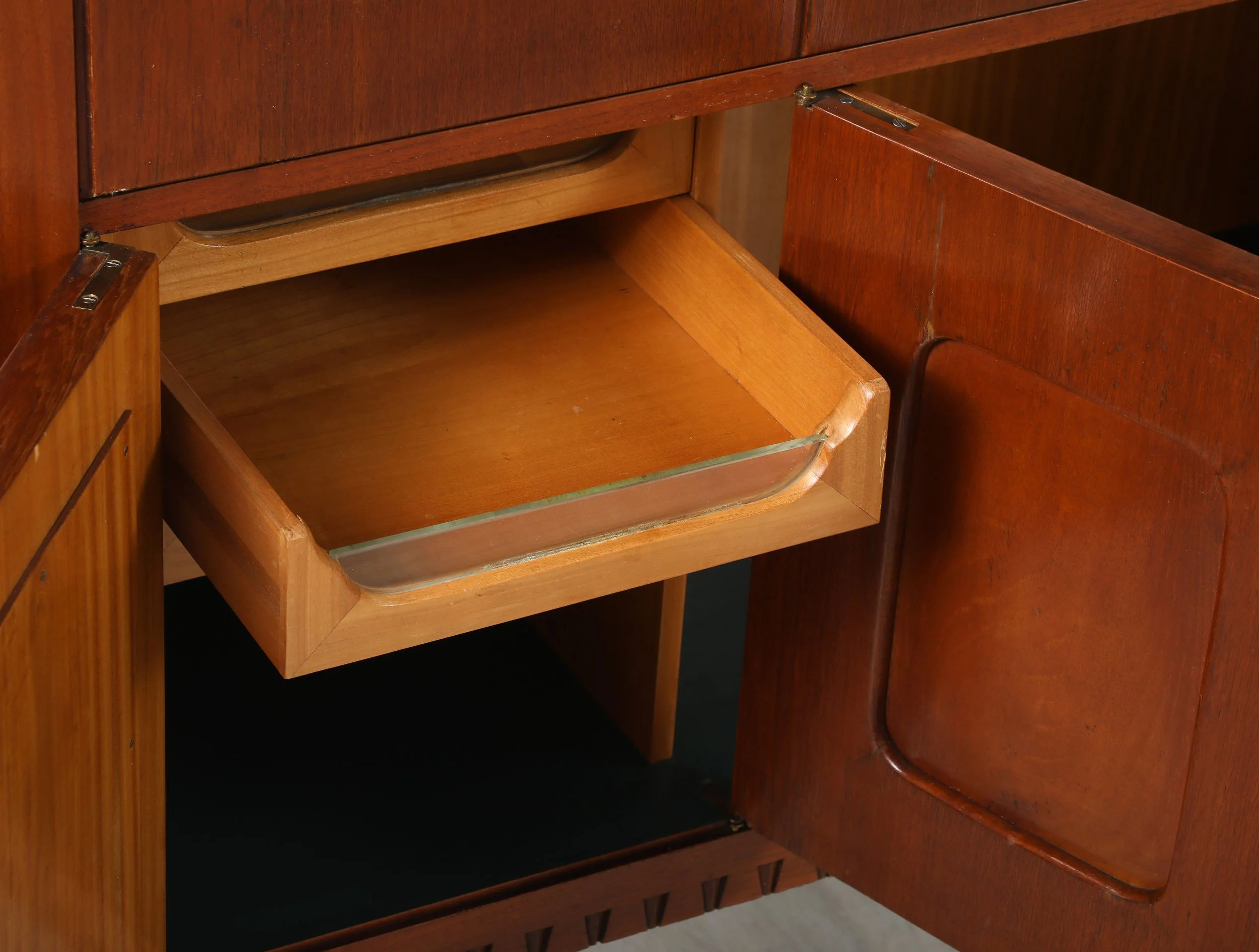 Image 6 of 15
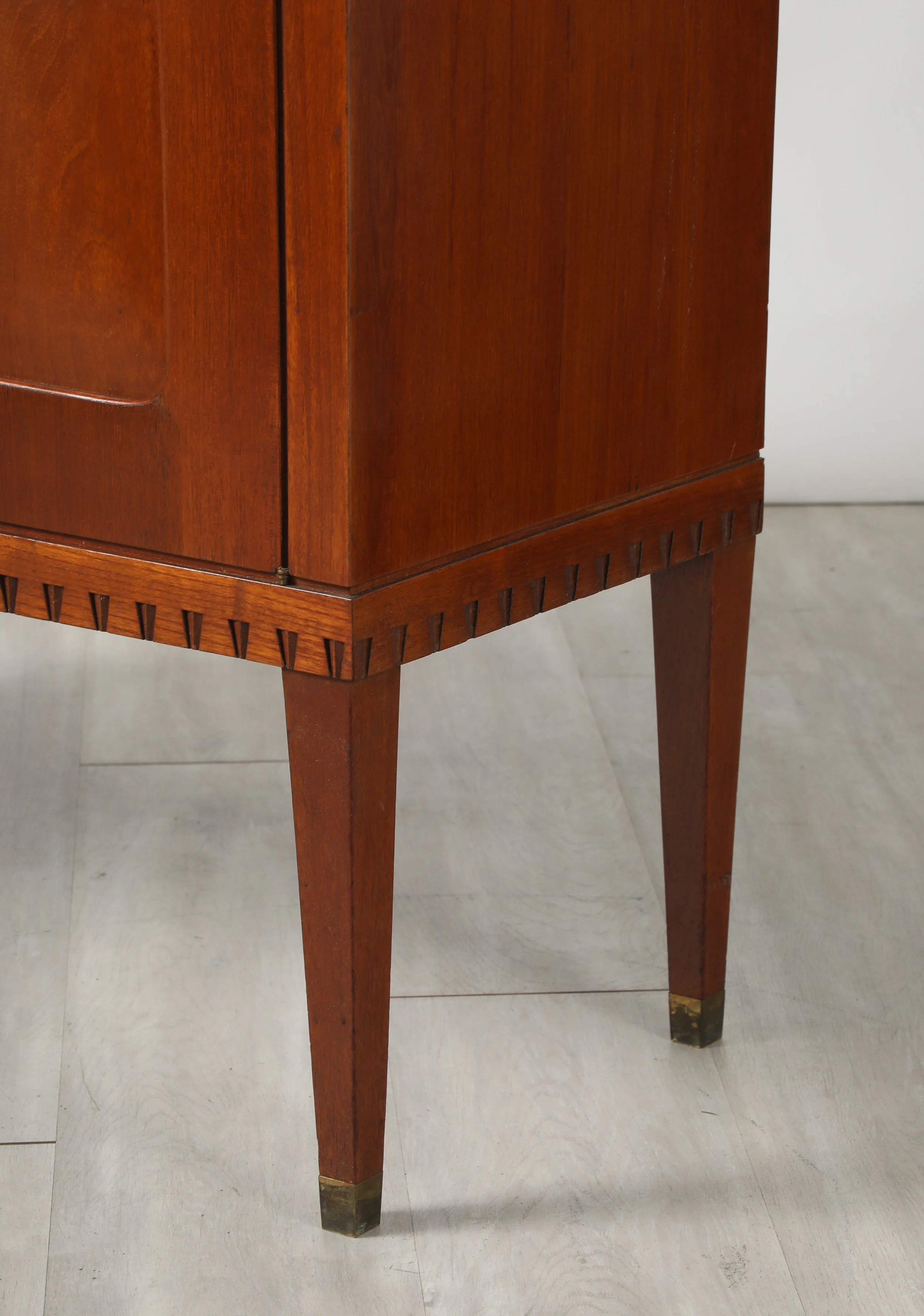 Image 7 of 15
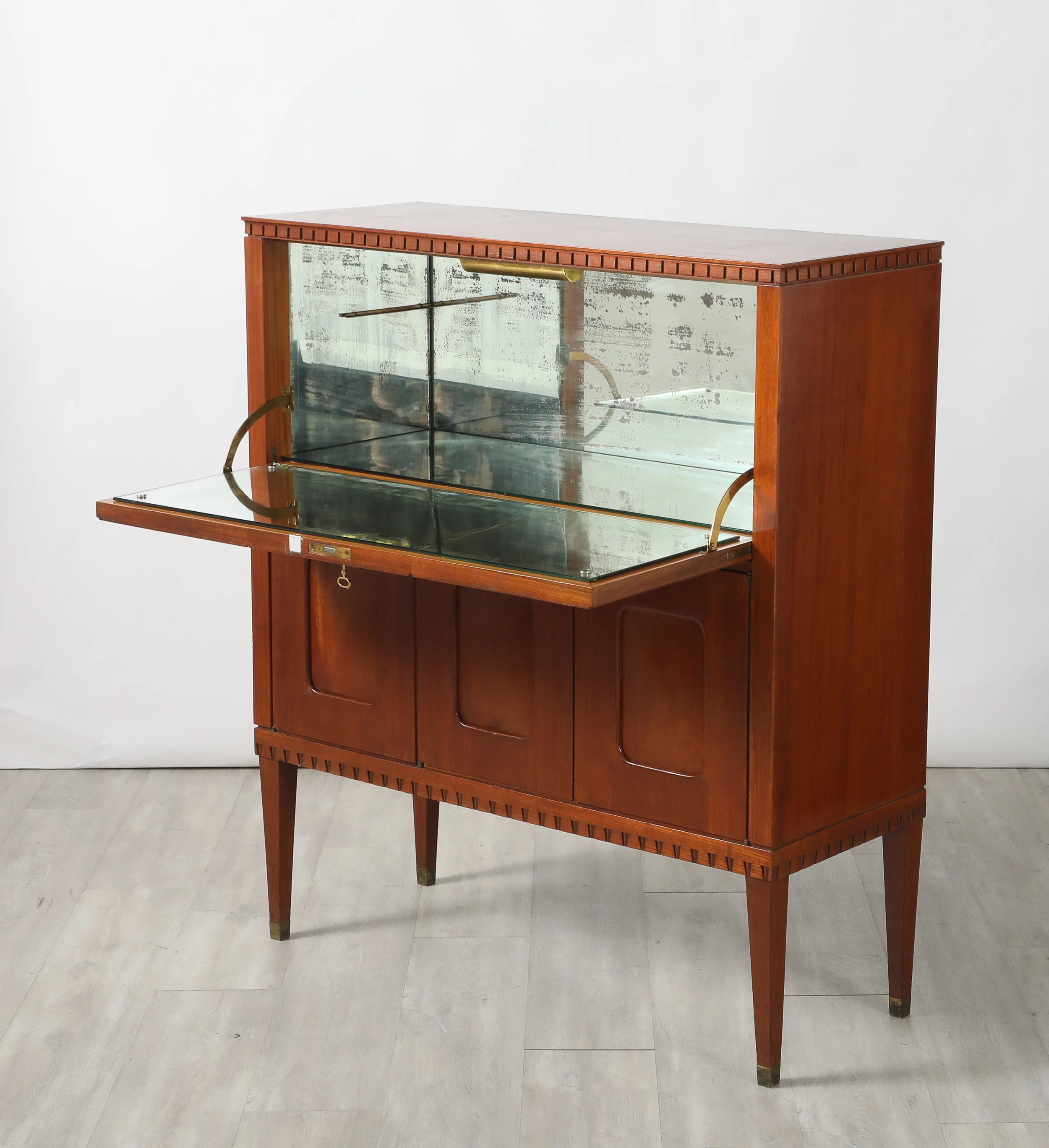 Image 8 of 15
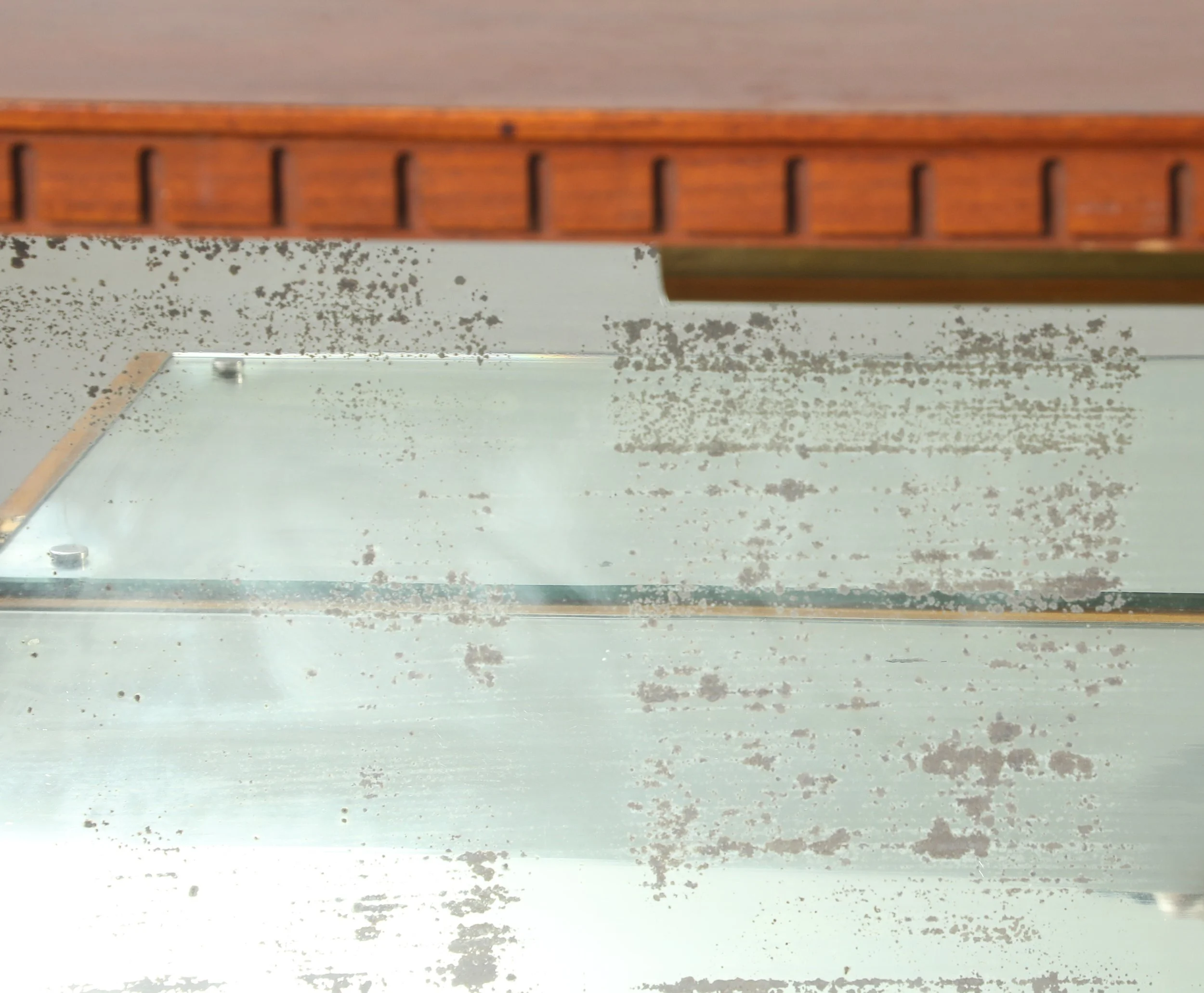 Image 9 of 15
 Image 10 of 15
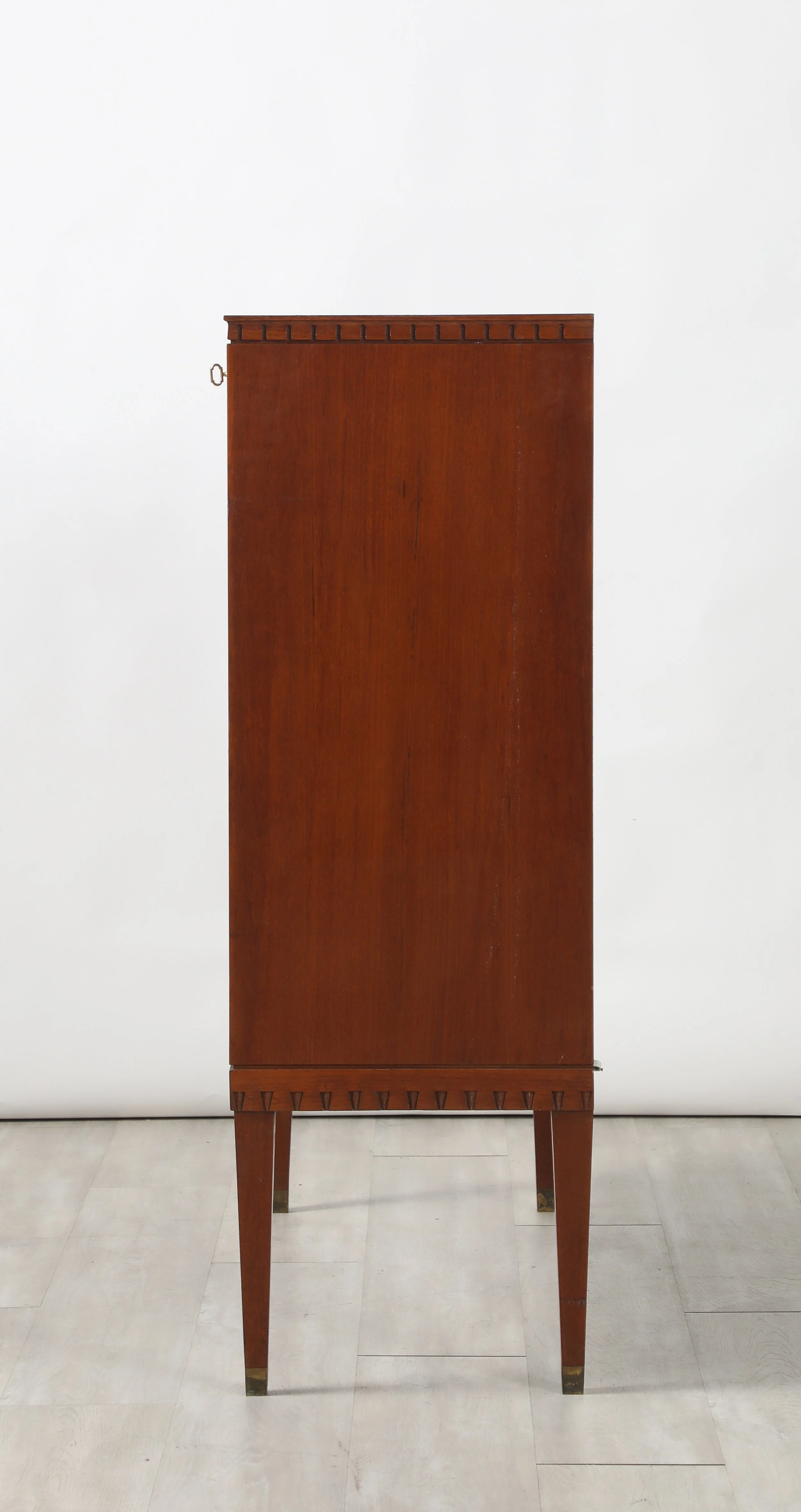 Image 11 of 15
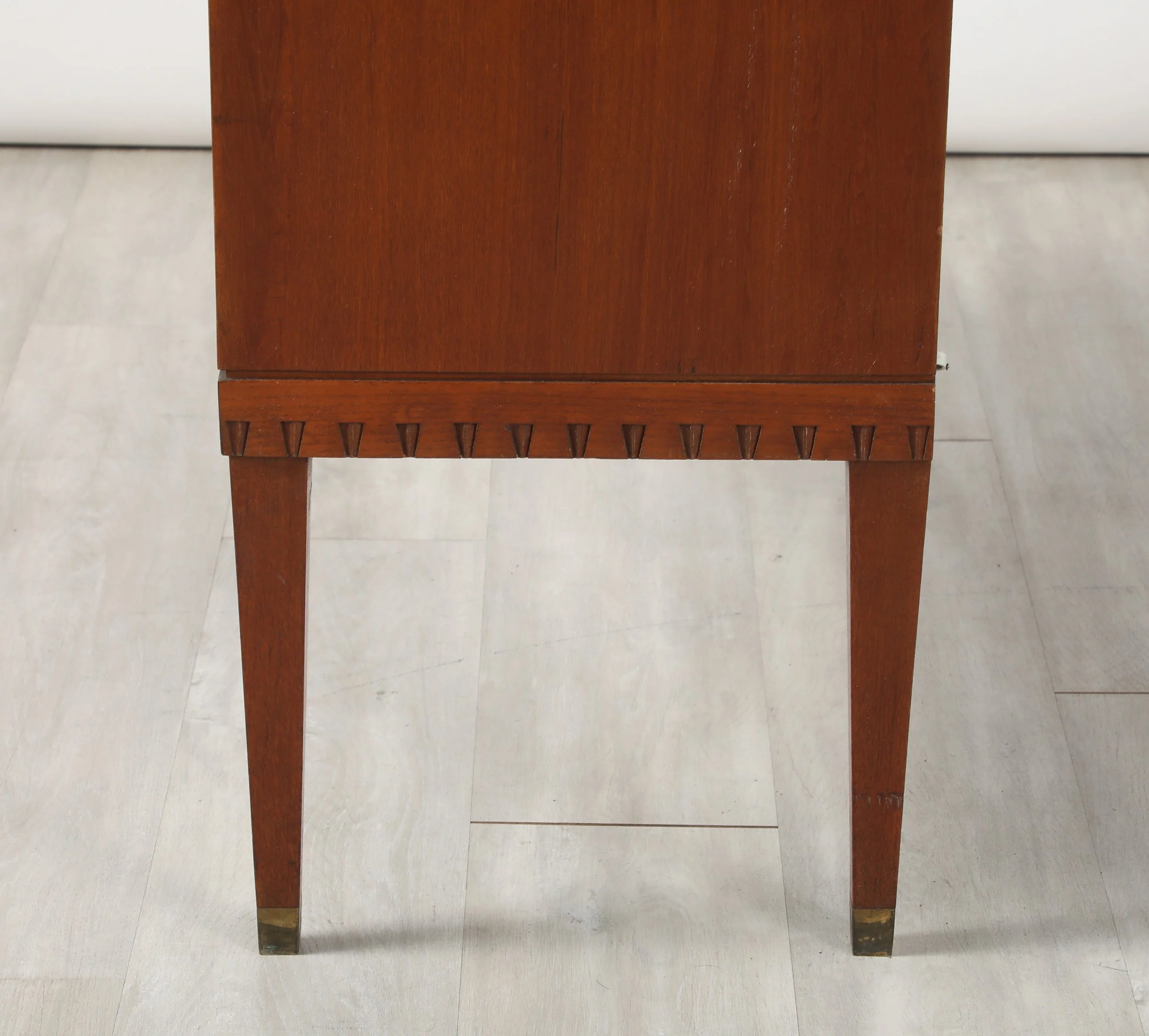 Image 12 of 15
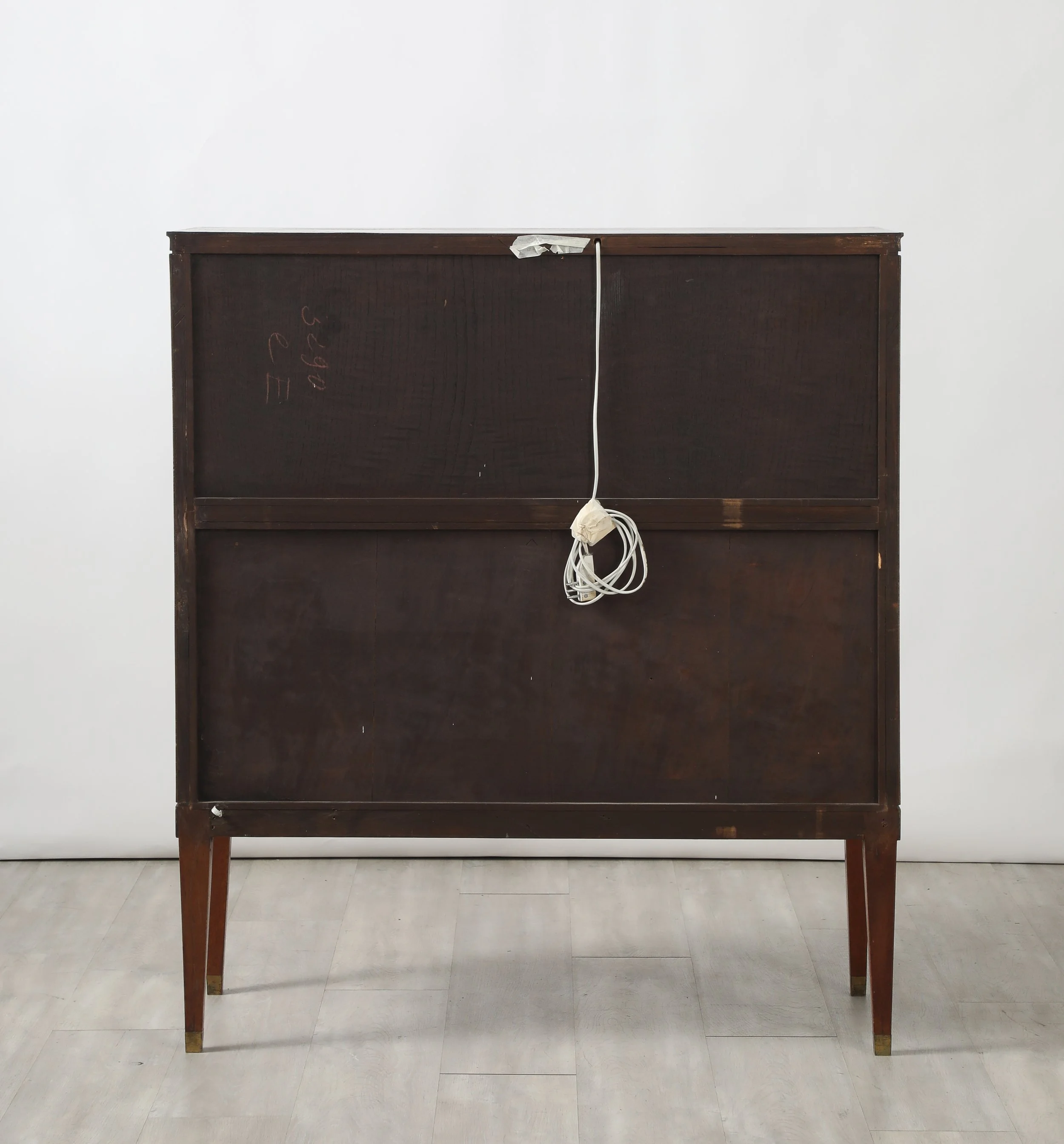 Image 13 of 15
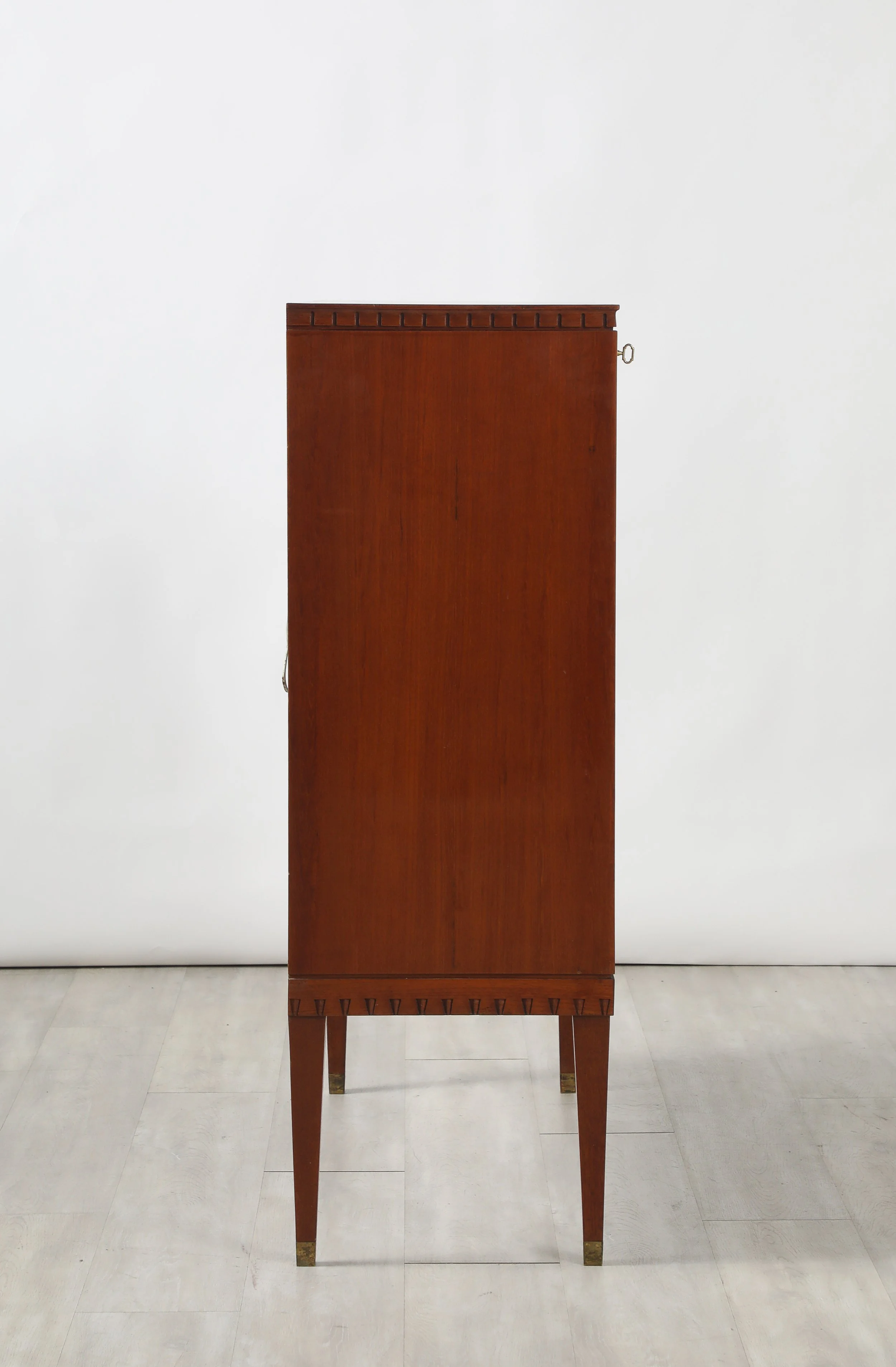 Image 14 of 15
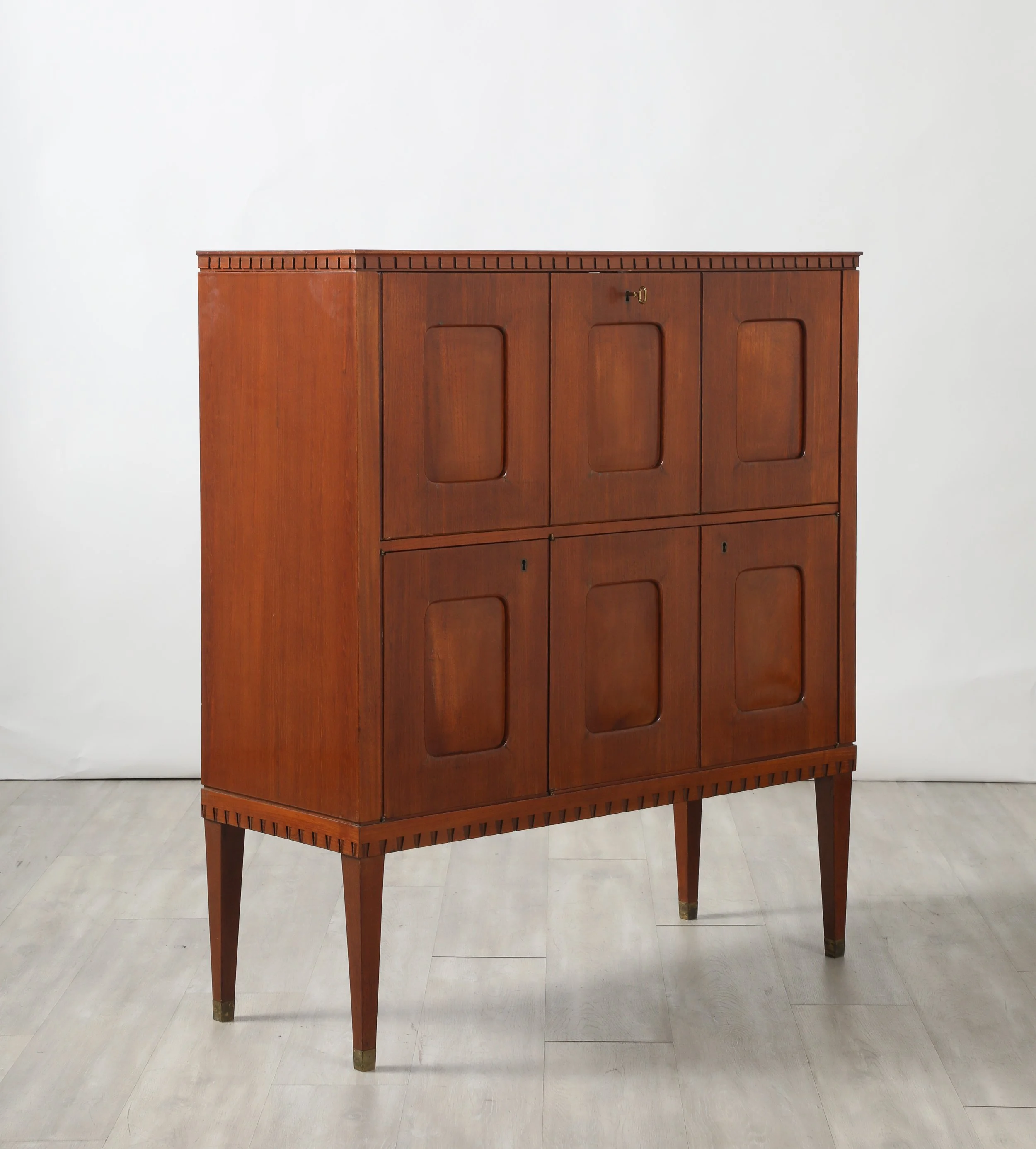 Image 15 of 15