A Piedmontese Italian period Baroque mirror with an elaborately carved wooden "cartoccio" or cartouche shaped frame, gilded with gold leaf, with its original oval mirror plate, this piece displays a richly carved body embellished with scrolled acanthus and foliate leaf designs. Of very high quality and craftsmanship.
A label on the reverse states: "1749 Nasce ad Asti Vittorio Al-fiori , illostro poeta tragico." "Vittorio Al Fiore was born in 1749 in Asti, an illustrious tragic poet." This piece was very likely in the inventory of the famed Italian dramatist Vittorio Al Fiore's estate.
Vittorio Alfieri (b. 1749, Asti - d 1803, Florence) is widely regarded as one of the greatest tragic dramatists in Italian literature. Born into an aristocratic family in Italy, he received a formal education at the Royal Academy in Turin before embarking on extensive travels across Europe, which shaped his worldview and theatrical style. His early experiences included passionate love affairs and a deep engagement with the political currents of the Enlightenment, as well as a significant influence from the works of Plutarch. Alfieri's first play, "Antony and Cleopatra," premiered in 1775, prompting him to refine his craft and contribute substantially to Italian theatre.
Throughout his career, he composed renowned tragedies such as "Saul" and "Myrrha," exploring themes of human weakness, liberty, and tyranny with classical precision. His works often adhered to the dramatic unities and reflected his intense devotion to the ideals of freedom. Following the tumult of the French Revolution, Alfieri's outlook shifted from optimism to disillusionment, influencing his later writings, which exhibit a more cynical and critical tone toward society and politics. Additionally, he authored significant poetry and treatises that delve into tyranny and literature. Alfieri's contribution to tragic drama solidified his legacy as a vital figure in Italy's cultural heritage, culminating in a monument commissioned by his beloved, the countess of Albany, after his death.
Piedmont, Italy, late seventeenth century
Size: 21 1/2" high x 25 1/2" wide at top x 20 1/2" wide at base x 4" deep
A Piedmontese Italian period Baroque mirror with an elaborately carved wooden "cartoccio" or cartouche shaped frame, gilded with gold leaf, with its original oval mirror plate, this piece displays a richly carved body embellished with scrolled acanthus and foliate leaf designs. Of very high quality and craftsmanship.
A label on the reverse states: "1749 Nasce ad Asti Vittorio Al-fiori , illostro poeta tragico." "Vittorio Al Fiore was born in 1749 in Asti, an illustrious tragic poet." This piece was very likely in the inventory of the famed Italian dramatist Vittorio Al Fiore's estate.
Vittorio Alfieri (b. 1749, Asti - d 1803, Florence) is widely regarded as one of the greatest tragic dramatists in Italian literature. Born into an aristocratic family in Italy, he received a formal education at the Royal Academy in Turin before embarking on extensive travels across Europe, which shaped his worldview and theatrical style. His early experiences included passionate love affairs and a deep engagement with the political currents of the Enlightenment, as well as a significant influence from the works of Plutarch. Alfieri's first play, "Antony and Cleopatra," premiered in 1775, prompting him to refine his craft and contribute substantially to Italian theatre.
Throughout his career, he composed renowned tragedies such as "Saul" and "Myrrha," exploring themes of human weakness, liberty, and tyranny with classical precision. His works often adhered to the dramatic unities and reflected his intense devotion to the ideals of freedom. Following the tumult of the French Revolution, Alfieri's outlook shifted from optimism to disillusionment, influencing his later writings, which exhibit a more cynical and critical tone toward society and politics. Additionally, he authored significant poetry and treatises that delve into tyranny and literature. Alfieri's contribution to tragic drama solidified his legacy as a vital figure in Italy's cultural heritage, culminating in a monument commissioned by his beloved, the countess of Albany, after his death.
Piedmont, Italy, late seventeenth century
Size: 21 1/2" high x 25 1/2" wide at top x 20 1/2" wide at base x 4" deep

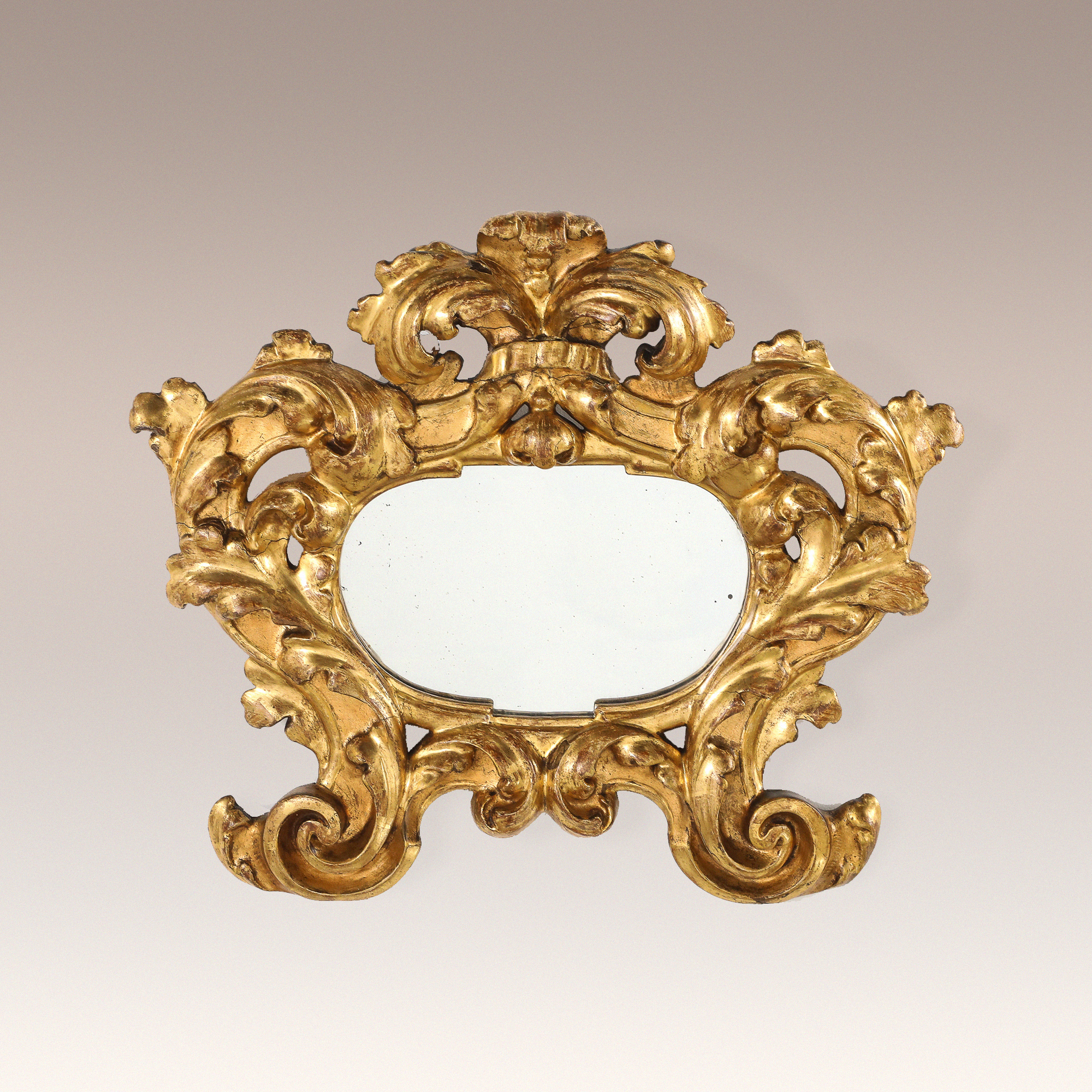 Image 1 of 11
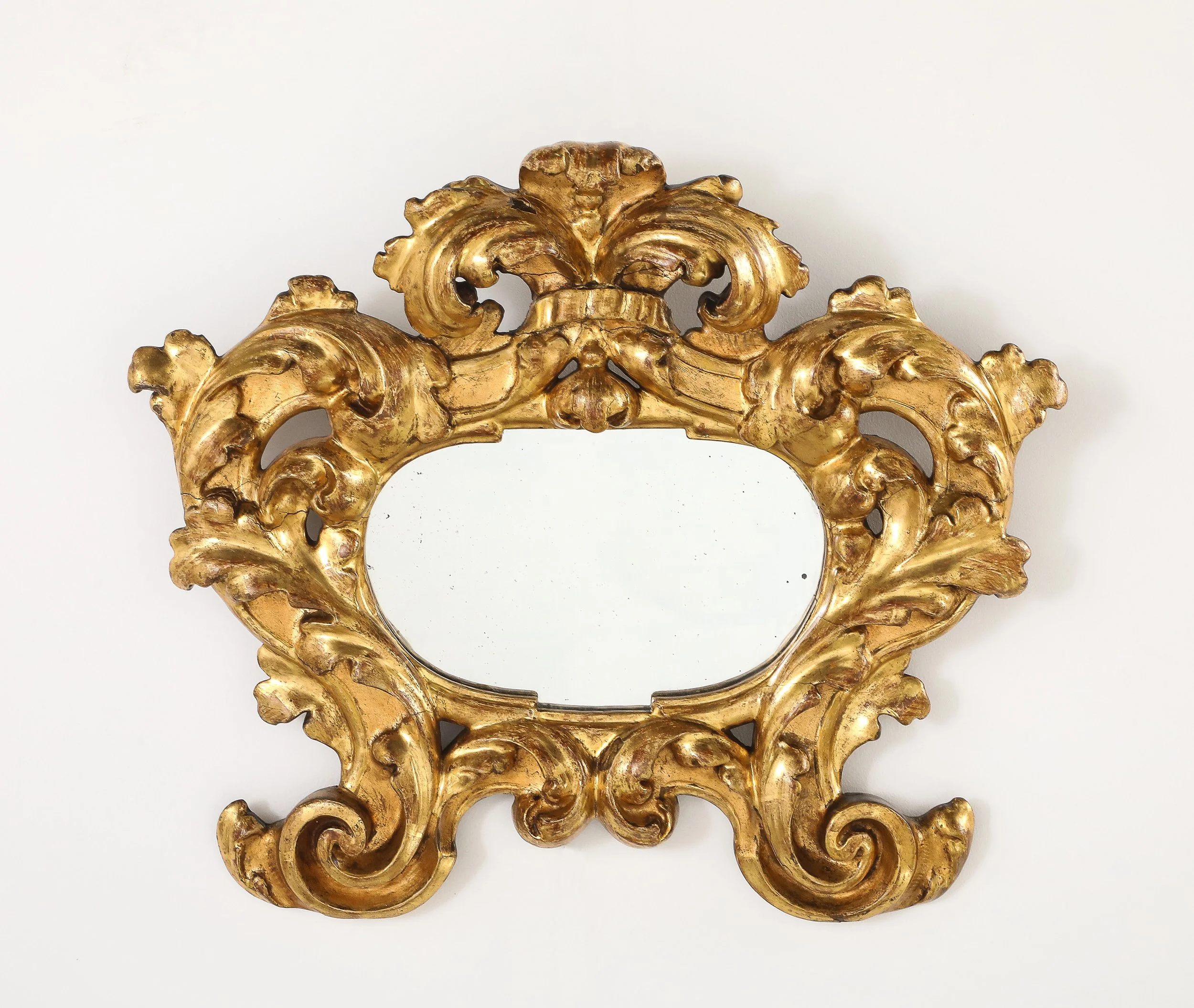 Image 2 of 11
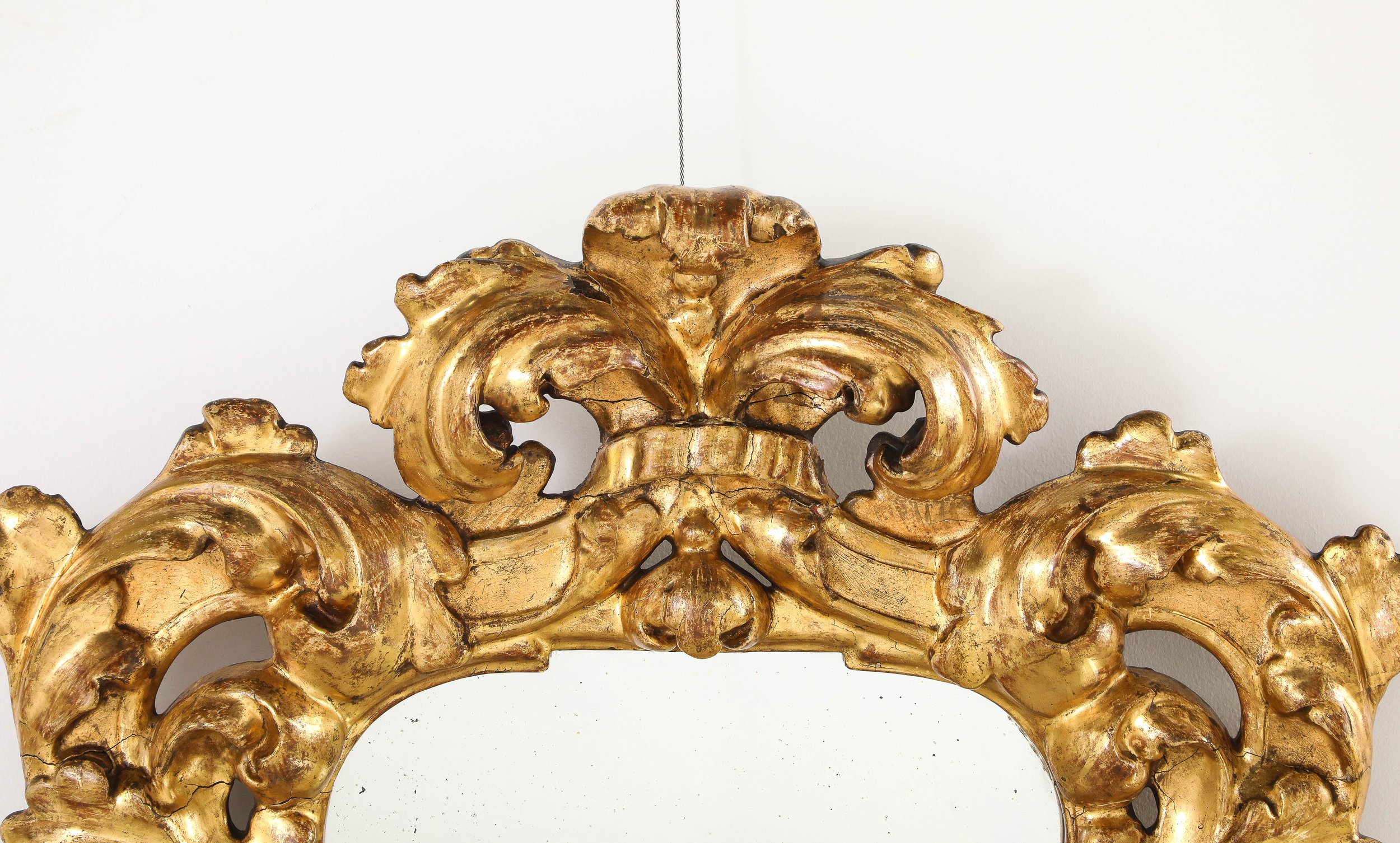 Image 3 of 11
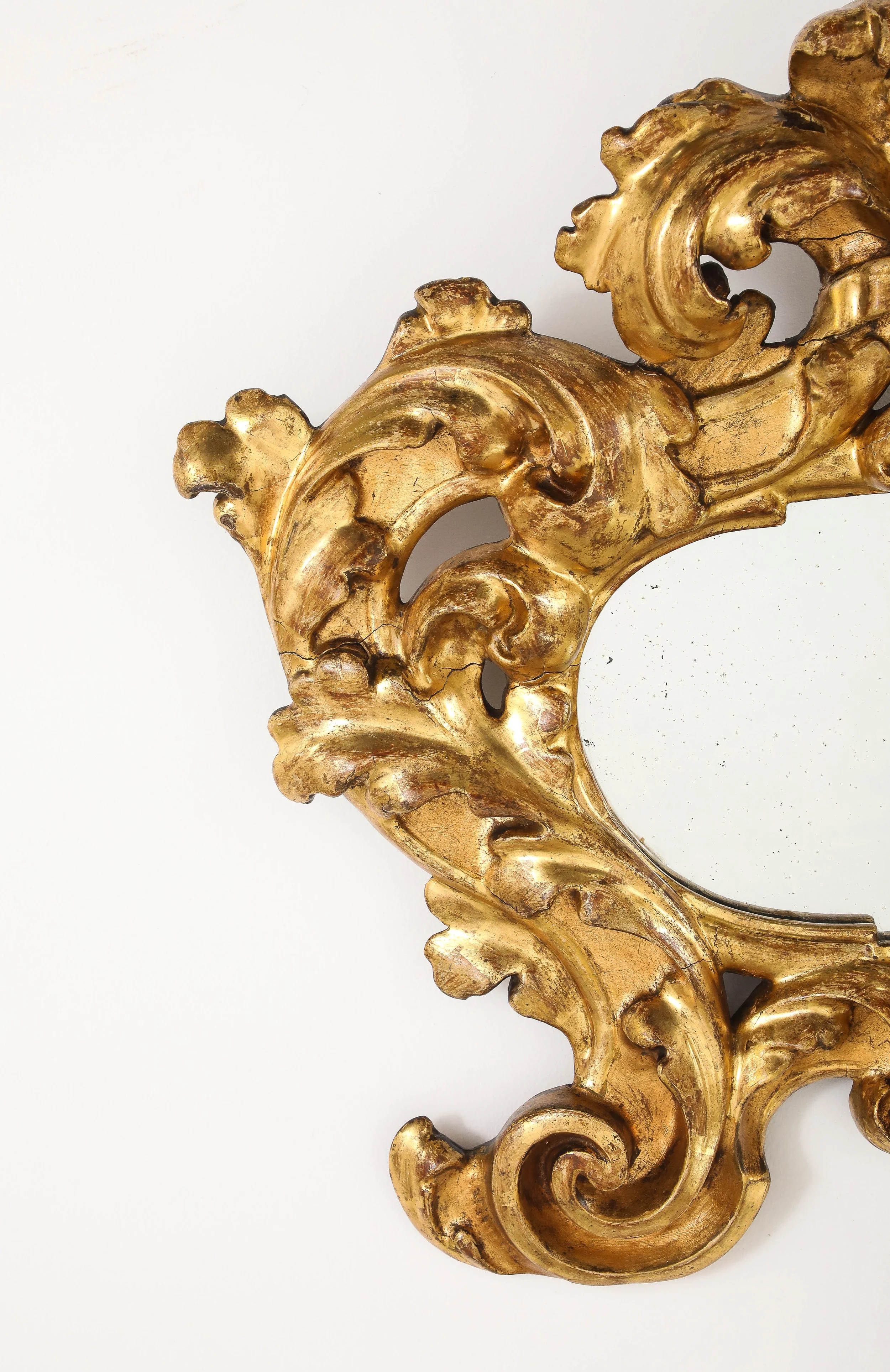 Image 4 of 11
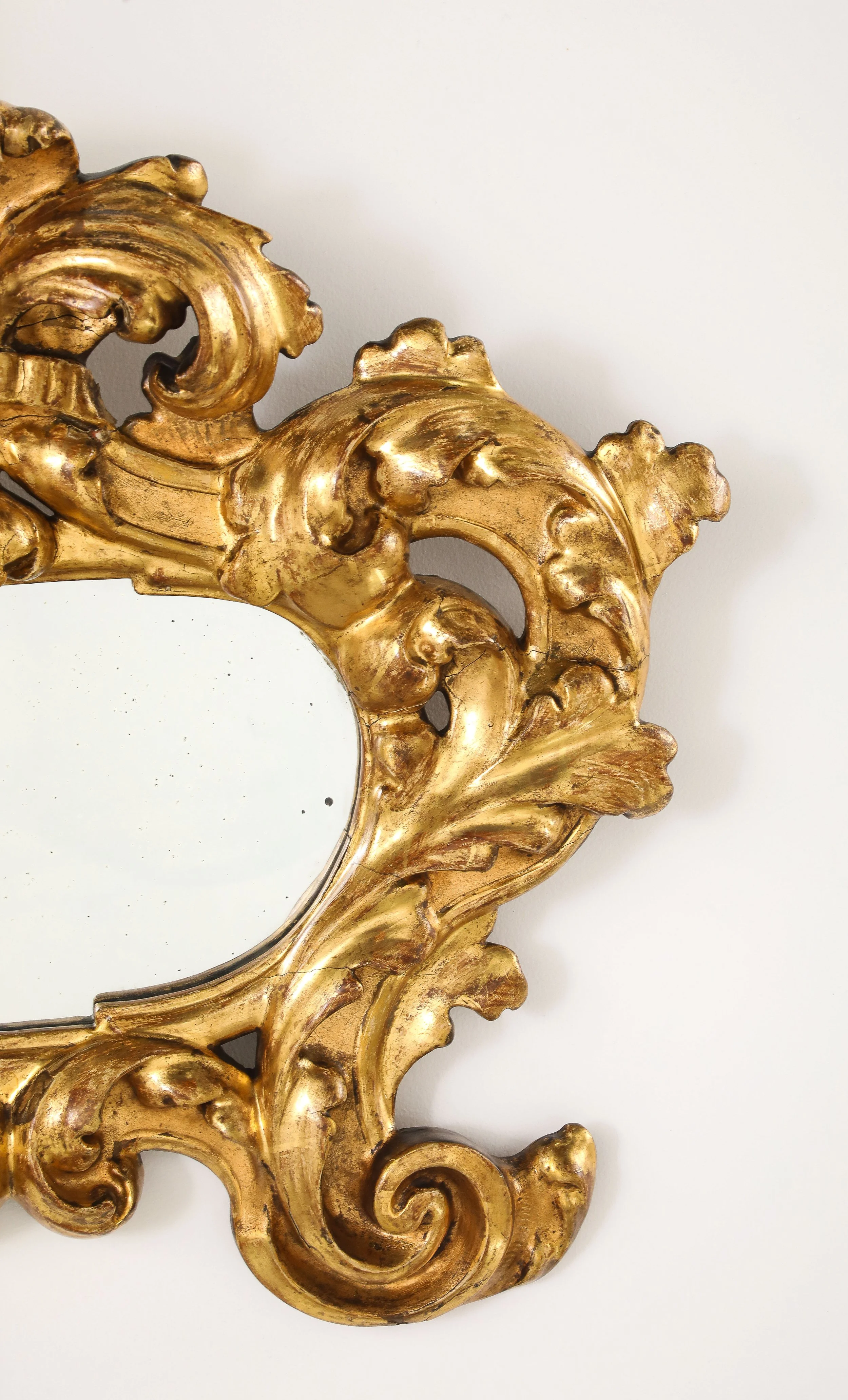 Image 5 of 11
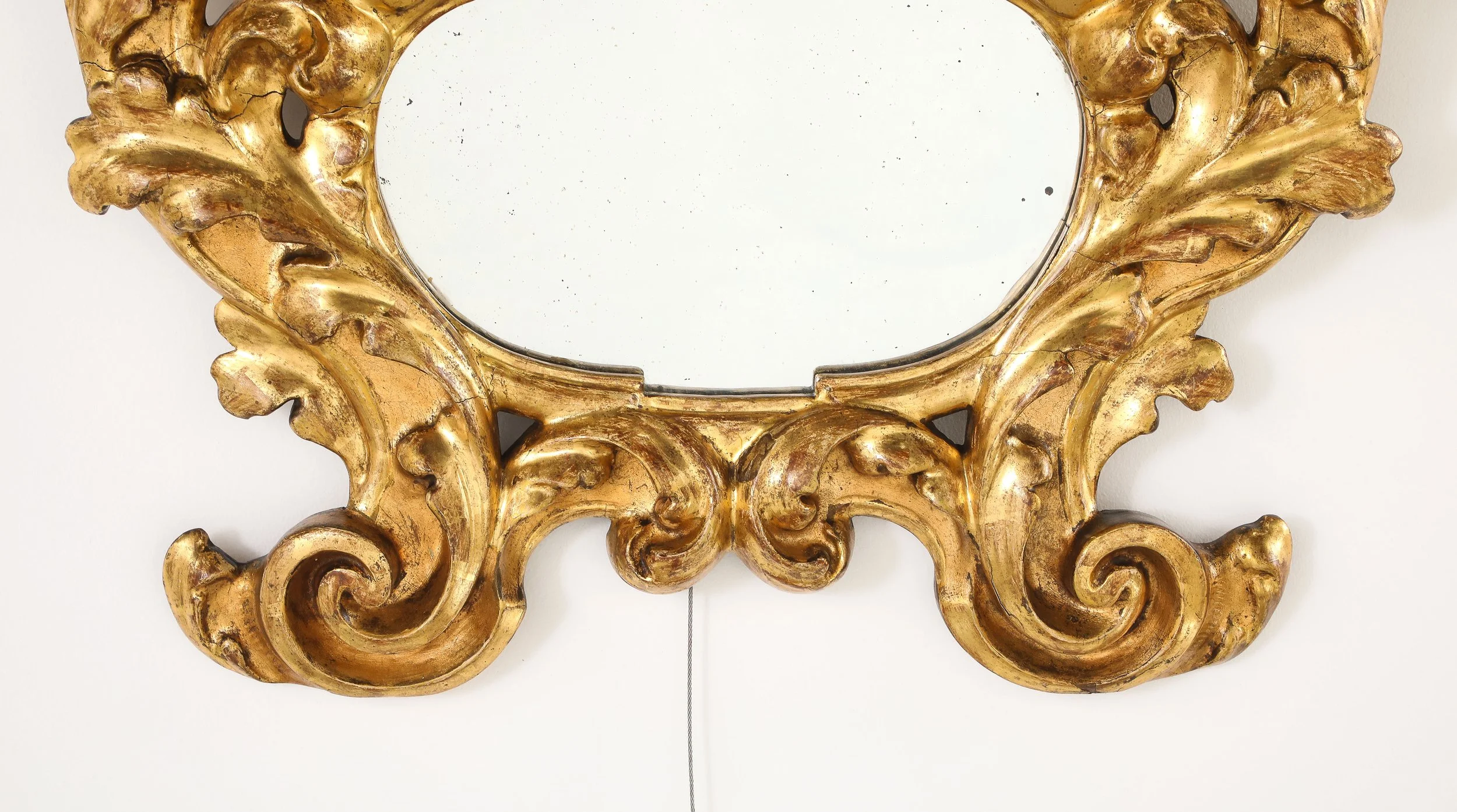 Image 6 of 11
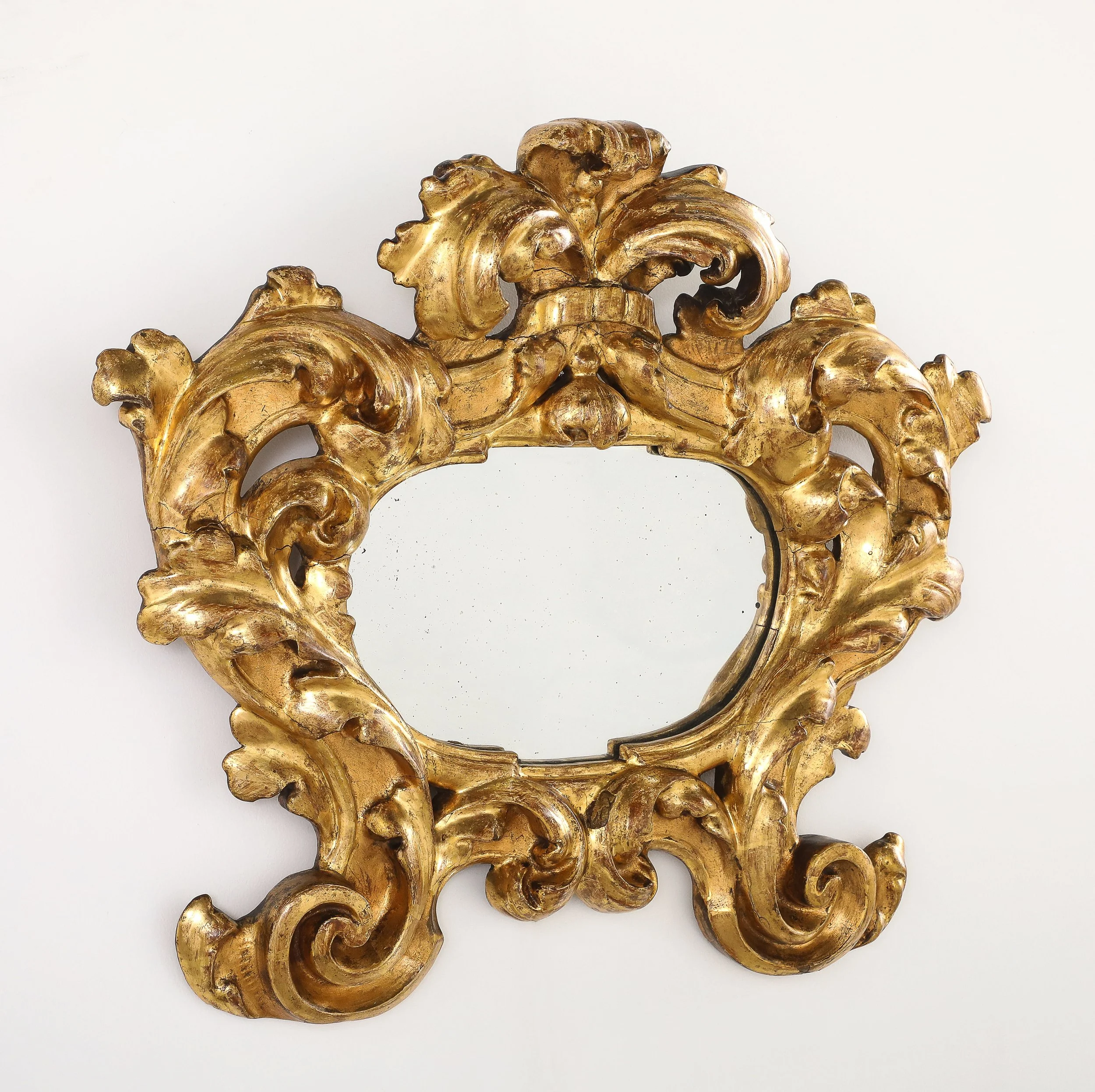 Image 7 of 11
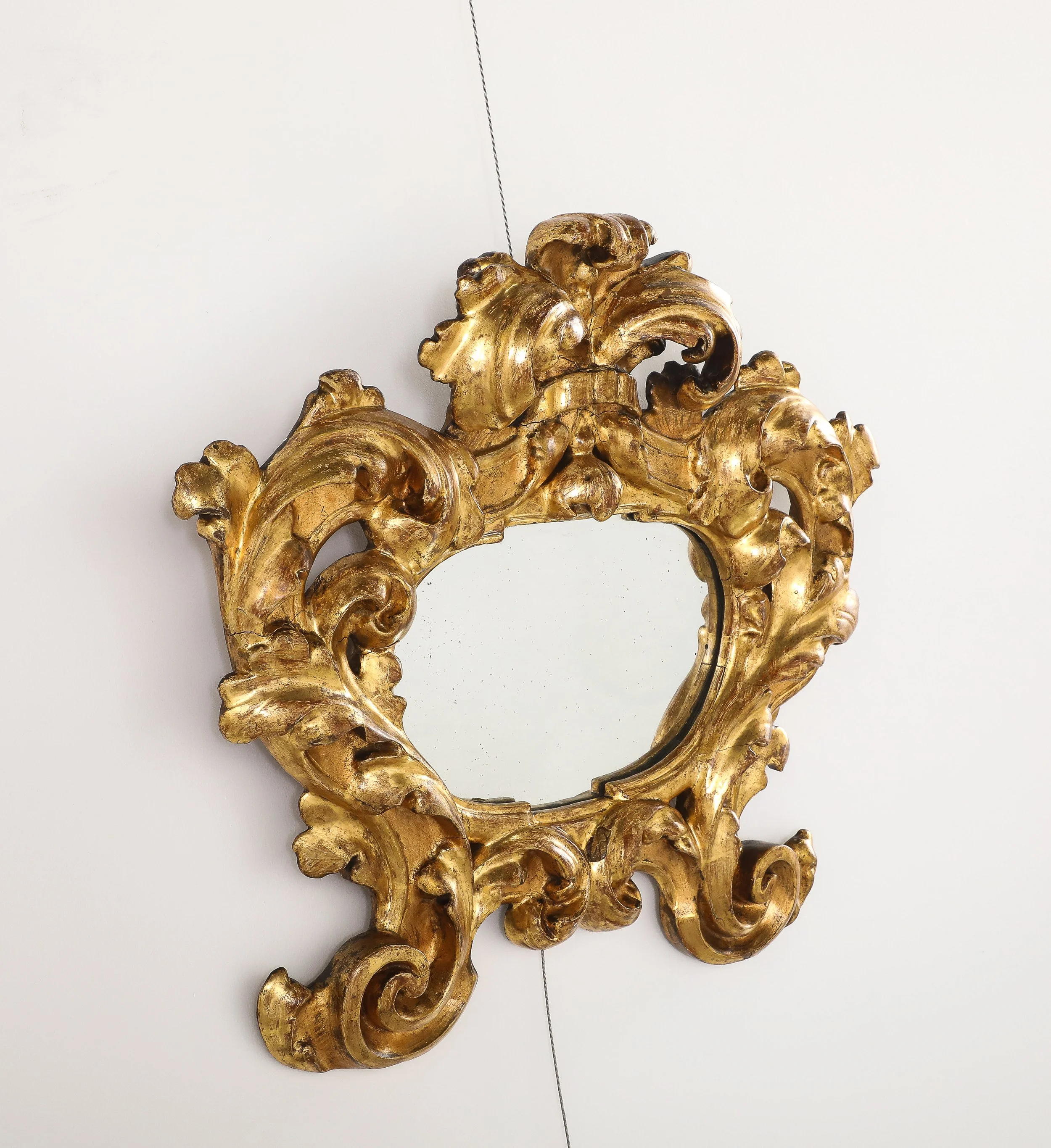 Image 8 of 11
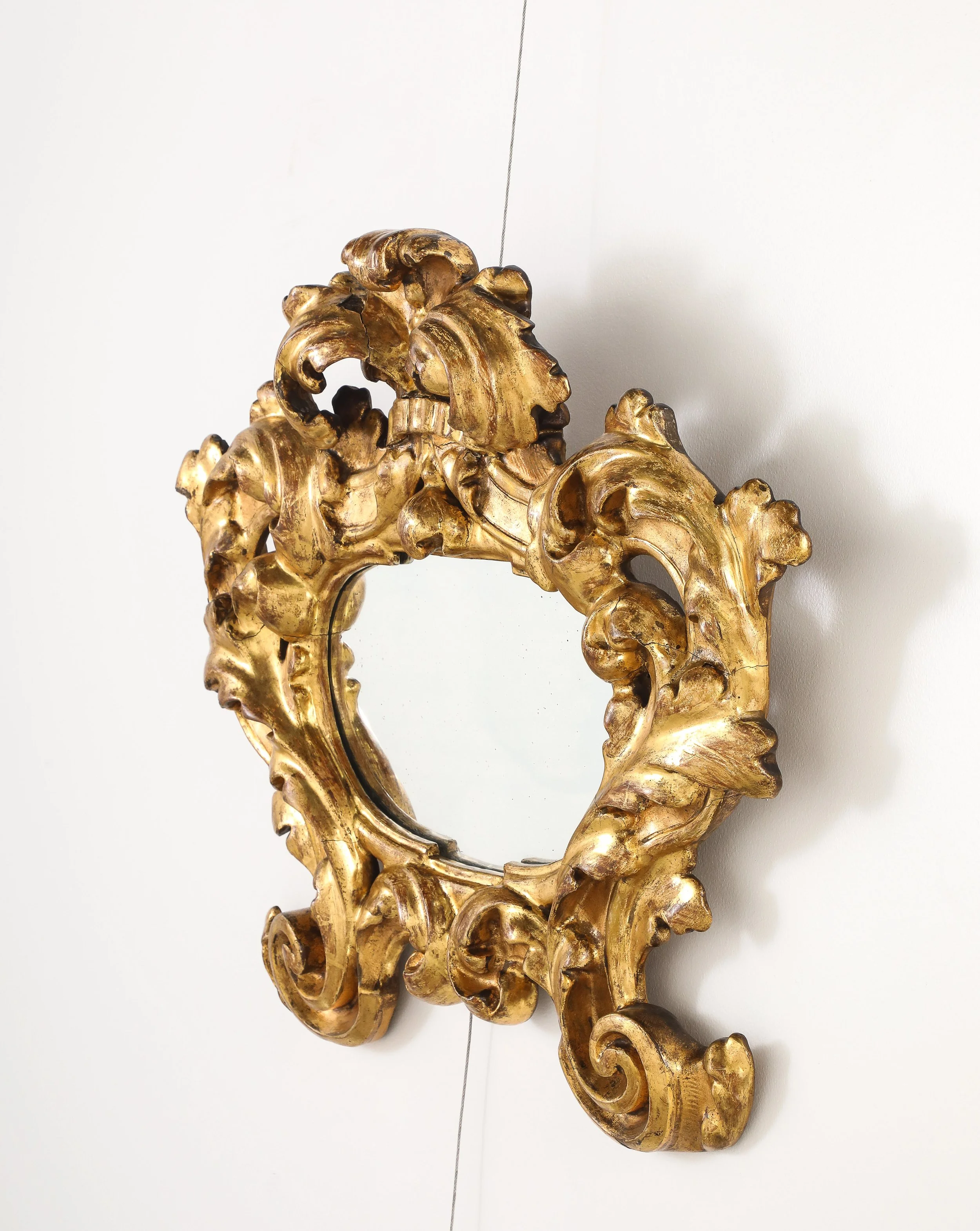 Image 9 of 11
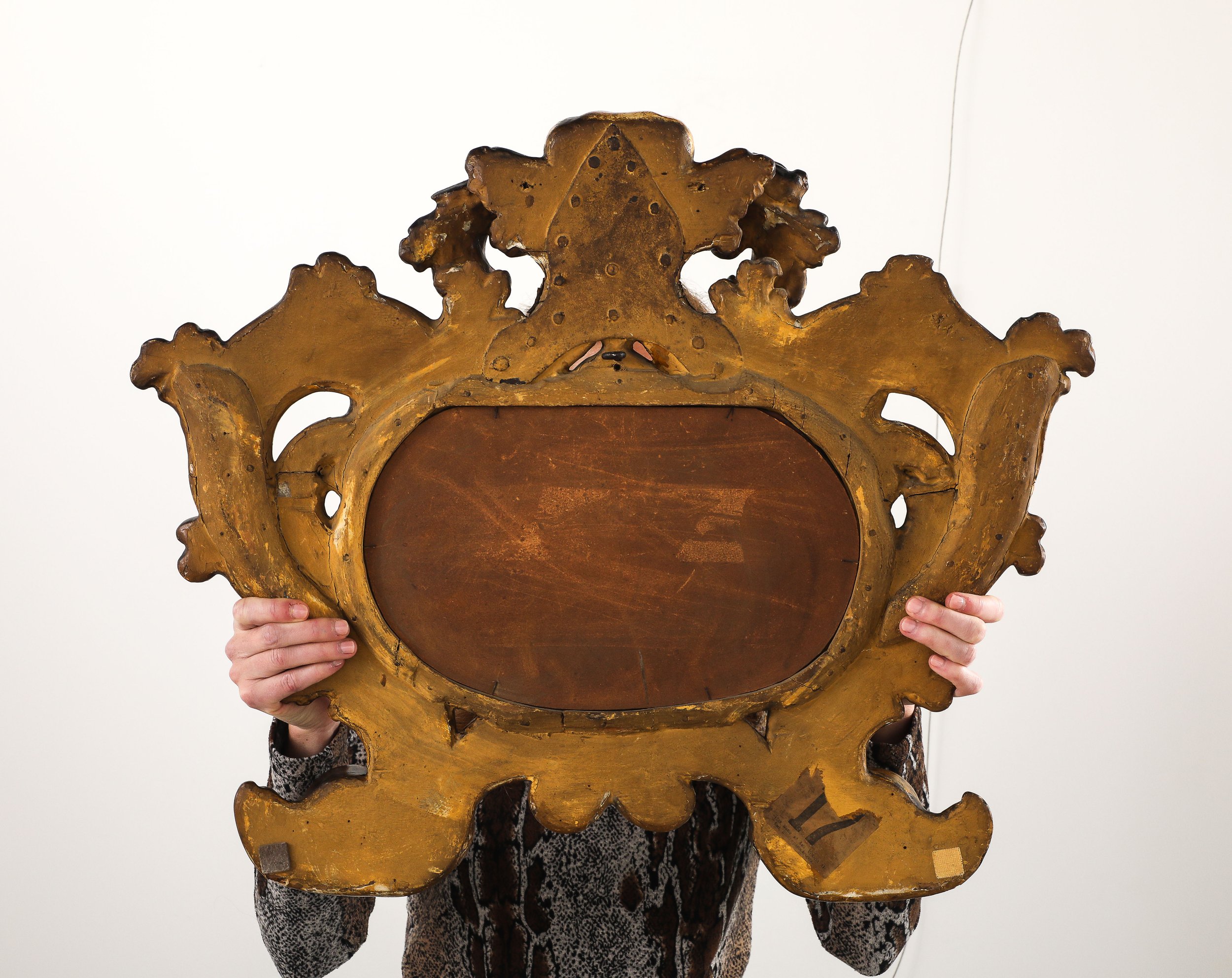 Image 10 of 11
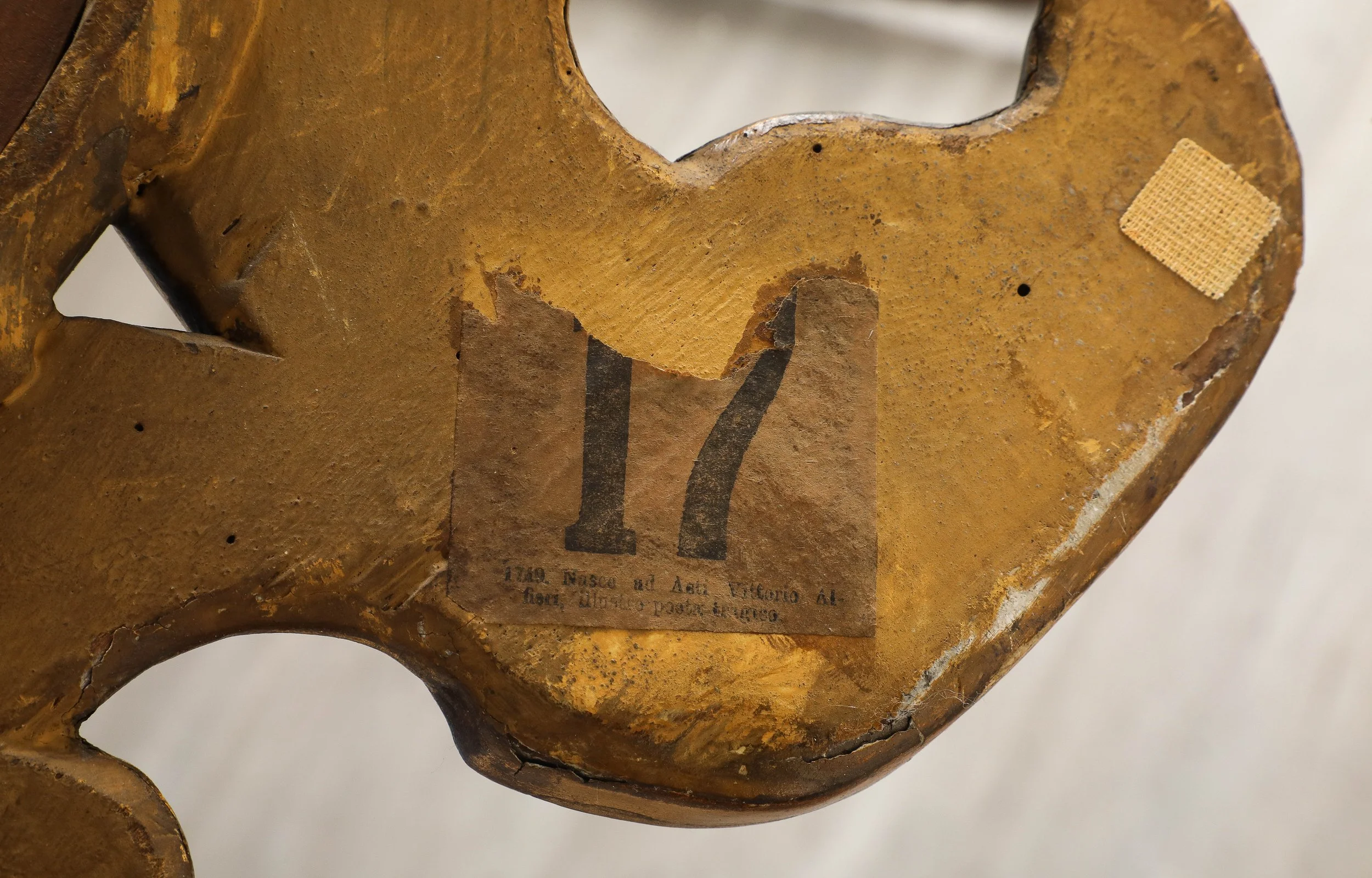 Image 11 of 11